
Why Peter Wolfkamp from The Block is Using PDL AFDDs in His Home
See how Peter Wolfkamp, builder of The Block fame, uses arc fault detection devices (AFDDs) from PDL to add electrical safety to his own home.

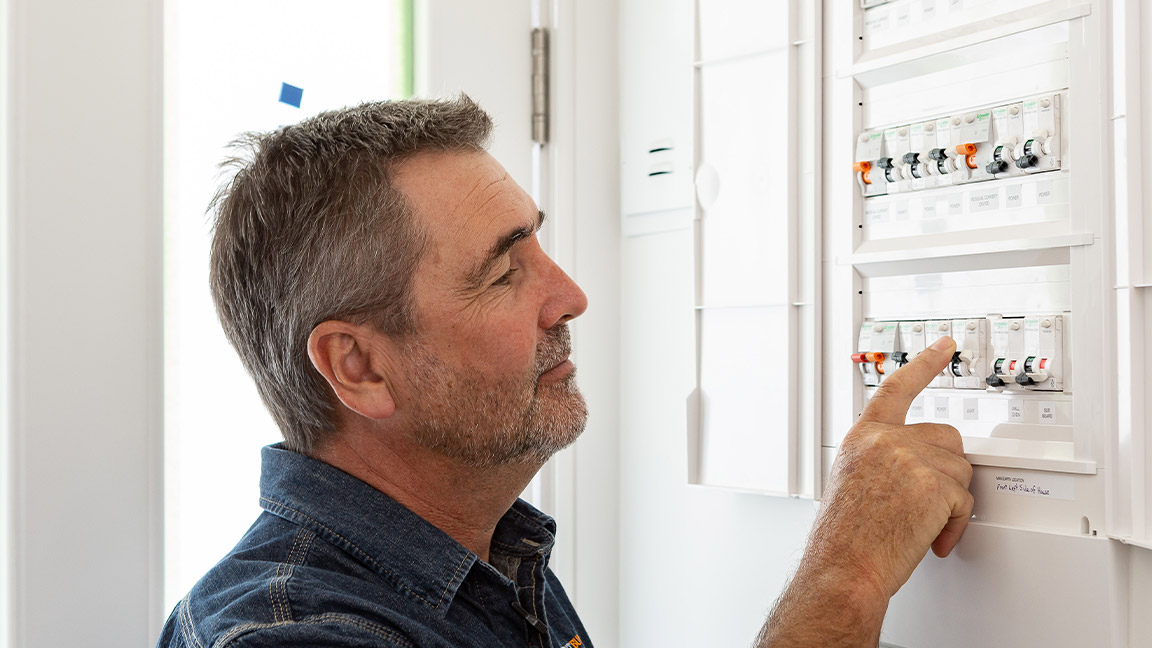

About Wolfkamp’s latest project: his own villa
Builder Peter Wolfkamp is best known for dispensing DIY wisdom on the popular tv show The Block NZ. But, when it came to his own renovation, he was all too happy to take some advice on how best to protect his new investment - and those living in it - from electrical fires.
Wolfkamp’s latest project is an historic cottage in Devonport, a seaside suburb in Auckland where he and his family live.
The 95-square metre cottage dates from around 1905 and sits in a row of similar houses, all close together in a tree-lined street.
With its original sash windows and delicate fretwork now restored, it’s easy to see the beauty of the home, but Wolfkamp says it was in “a fairly sorry state” when they bought it with plans to renovate and rent it out.

Using PDL Electrical Safety Solutions
While Wolfkamp took on the re-piling, strengthening, re-roofing and insulation, he called in the experts when it came to the electrical aspects.
Paul Sievers, owner of Devonport Electrical and a licensed electrical inspector himself, was called to inspect the property soon after its purchase. He recommended new wiring throughout, given the building’s age and lack of maintenance, along with a new PDL switchboard.
Having worked with PDL products on The Block NZ, Wolfkamp visited the PDL Vision Studio Showroom in Auckland, where Home Solutions Consultant Robert Knight explained all the electrical safety options available. “This house is in a heritage area and when you do have a fire in an old house it tends to spread really quickly,” says Wolfkamp.
“I wanted to be absolutely sure that I was using the latest and best technology to ensure the safety of this house and everyone in it.”
Already familiar with circuit breakers and residual current devices (RCDs), he was intrigued to learn about PDL’s Arc Fault Detection Devices (AFDDs) – essentially an early warning system that can be installed into new or existing distribution boards to help prevent electrical fires.
What are Arc Fault Detection Devices (AFDDs)?
Unlike circuit breakers and RCDs (that protect against short circuits), AFDDs detect electric arc faults. Arc faults are one of the most common causes of electrical fires. They can occur in damaged cables, poor connections, or old wiring. Insulation in a cable that is damaged or old can let current leak out, generating heat and carbonising the material around it, which in turn becomes more conductive and generates a bigger arc.
Even in new houses, squashing a cable underneath furniture, overloaded multi-boxes behind a desk, or pushing a bed up against a plug in the wall can all increase the likelihood of dangerous arcs that are invisible to us until the cable and socket eventually catch fire.
AFDDs prevent electrical fires by detecting these arc faults before they ignite. Then, the AFDD will trip to disconnect power from the affected circuit. This ensures that electrical fires won’t happen, and the faulty circuit can be repaired safely.
“As builders, we can become complacent and think we know everything, but there’s new technology coming out all the time,” says Wolfkamp.
“The fact that there are now devices that you can readily install into your existing distribution board to ensure that (an electrical fire) doesn’t happen seems like a really sensible solution… so that’s been a really good discovery for me.”
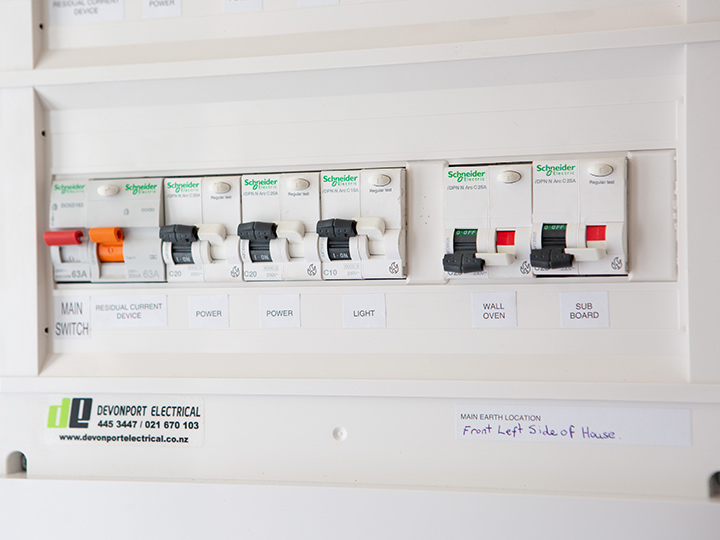
Why Wolfkamp chose to use AFDDs
Arc fault detection devices are ideal for homes of any age that fit any of these conditions:
- Several devices are left plugged in
- Homes with squashed or damaged cables
- Locations with higher probability of rodents
- Simply where the wiring may be old.
PDL’s AFDD Product Manager, Martin Scottorn, says they are particularly useful for renovations and rental properties.
“New Zealand has a high number of older homes that contain old cabling. Renovations or even earthquakes can disturb these cables causing higher risk of electric arcs,” he explains.
“Rewiring a home can be costly, depending on the construction of the home itself. An alternative to a total re-wire can be the use of AFDDs, which have been approved by many insurance companies as a way of mitigating risk.”
“They’re also good in rental properties where a landlord has no control over what tenants are plugging in, or the condition of the equipment or multi-boxes that are in use.” Scottorn also recommends considering the use of AFDDs in other locations with irreplaceable goods, or where emergency evacuations could be difficult or slow.
Wolfkamp agrees that AFDDs provide great peace of mind for those renovating. “If you’re in a house that’s had a renovation or a series of additions over time, and you don’t know everything about all of those electrical circuits, then adding these AFDDs to the distribution board will give you some security around the safety of those circuits.”
As an electrician and an electrical inspector, Paul Sievers recommends discussing AFDDs with your electrical contractor early on. The installation is straightforward but AFDDs do require extra space in a switchboard that must be pre-planned.
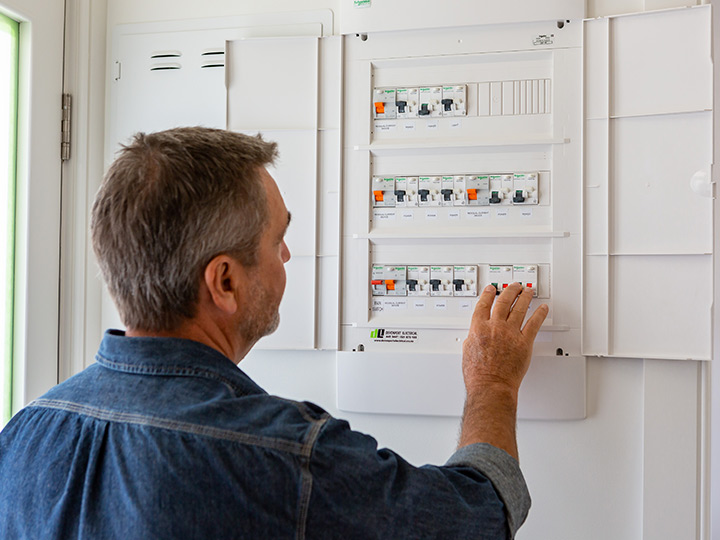
A great end to Wolfkamp’s renovation project
For Wolfkamp, the discoveries along the way on his renovation project have ranged from the historic (uncovering the original chimney and finding pieces of old timber that he plans to use for shelving) to the modern-day, with AFDDs now a key part of the new switchboard and a must-have for future projects.
He says it’s been incredibly satisfying to see the cottage brought back to life after 100 years of history.
“This place was pretty neglected, so to bring back some of the heritage elements, to be considerate of its environment and where it’s located in the street and in the community means I feel pretty proud that we’ve done something to restore this old house.”
And with AFDDs now a part of the home’s electrical solutions, it’s set up for many more years to come.
Peter Wolfkamp received sponsored product in support of bringing this story to life.
Discover AFDDs at PDL
No matter if you’re building a new home or renovating an old residence, PDL’s AFDDs can give you that much-needed peace of mind by preventing electrical fires. PDL arc fault detection devices are branded as Schneider Electric and can be purchased through your electrician or electrical wholesaler.
Continue Exploring
.jpg.aspx?width=550&height=550&ext=.jpg&ext=.jpg)
Explore case studies
Discover how others have turned their homes into beautiful, smart and sustainable spaces they love.

Inspiration Magazine
Our Electric Home Design Magazine is packed with inspiration, information and planning advice. Work through our room-by-room recommendations and use the wish list to discuss options with your builder or electrician.

Home Hub
The Home Hub helps you easily find what you’re looking for across our website, no matter where you are in your new build or renovation journey.

Sign up to our newsletter
Get inspiration, advice and information straight to your inbox from local building and renovation experts.